
Keeping It Real: Imagination & Consulting in an AI-First World

There’s a point in adulthood when we slowly stop leaving room for wonder, and start replacing it with a need for certainty.
Curiosity gets traded for efficiency. Explaining the world becomes more important than experiencing it. And believing in things like fairies feels naive instead of natural.
We don’t talk about that shift much. But it changes how we see everything.
Because what we lose isn’t just imagination. We lose a way of experiencing life that made it feel fuller, more open, and — strangely — more manageable.
Lately, I look around and have been feeling that loss for us more acutely. Because as more of life revolves around AI, optimization, and constant output, we risk losing something deeper in ourselves, too.
Imagination Isn’t What We Think It Is
Imagination often gets misunderstood. It’s framed as fantasy or as an escape — something separate from “real” work — when in practice, it’s far more grounded than that.
I think of imagination as the ability to:
See alternatives where others see constraints
Connect ideas that don’t obviously belong together
Hold multiple possibilities without rushing to close them
It’s where logic meets emotion, and where the brain meets the heart.
And more than anything — it’s what allows us to move forward when the path isn’t fully clear.
The Meaning Behind “Believing in Fairies”
Children have a very different relationship with possibility than adults do.
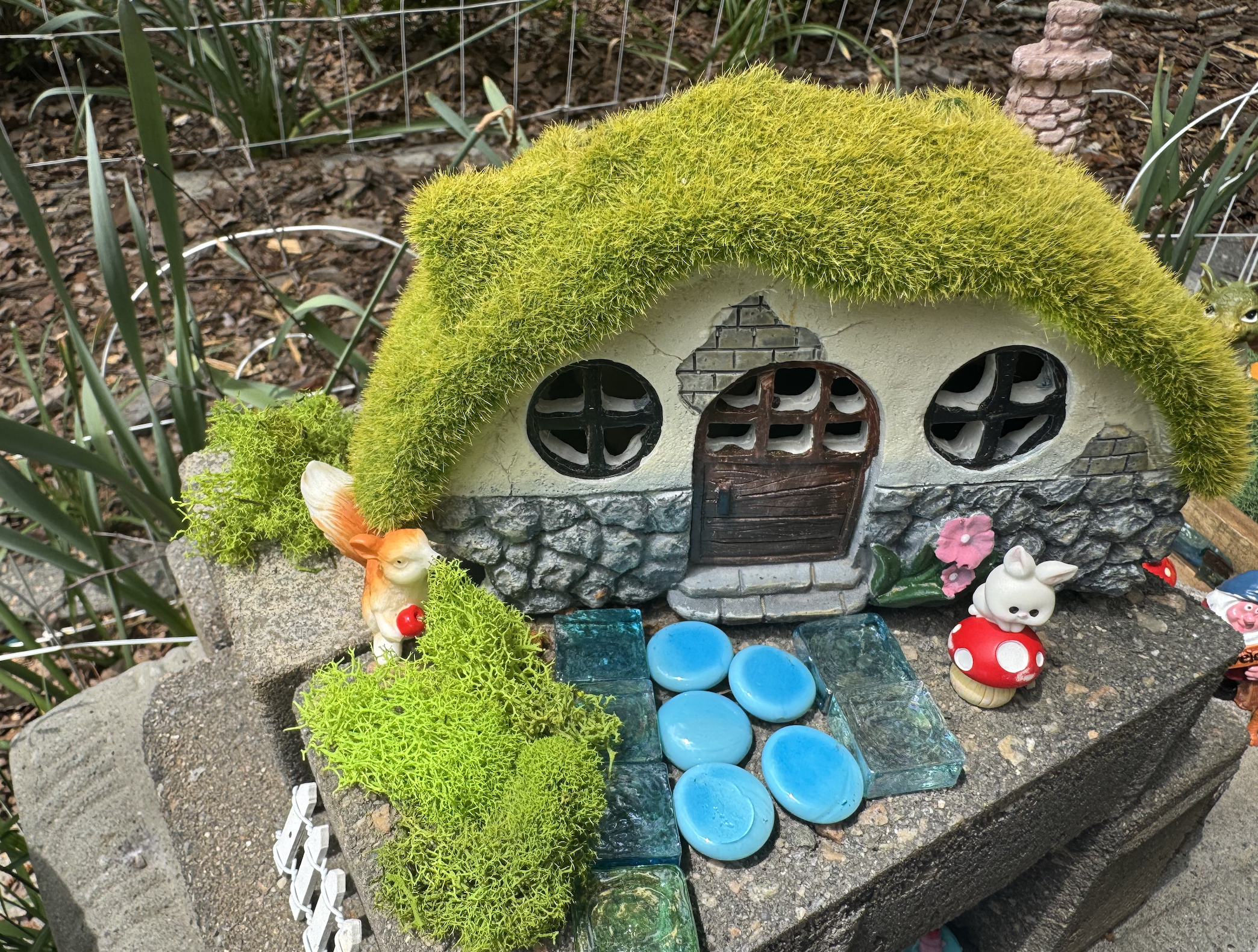
They ask questions constantly, but usually not because they urgently need definitive answers.
They’re exploring. Playing. Trying things on, and letting the world stay interesting.
They also haven’t learned the pressure to always sound informed or “rational” yet.
For them (and, I like to hope, for me), fairies can exist — because their world hasn’t been narrowed down to only what can be measured, proven, or optimized.
Believing in fairies isn’t really about magic; it’s about wonder.
It’s the sense that life holds more than what’s immediately visible. That not everything needs to be explained to be meaningful. That possibility exists, even when it’s not obvious yet.
I don’t think we lose that capacity as we grow older. I think we slowly train ourselves out of it — replacing it with the need to be right, to be efficient, to have answers.
Why Life Feels Flatter Without Wonder
When imagination fades, the world starts to feel a little smaller.
Days become more about managing responsibilities, getting through the checklist, staying productive, responding to everything quickly enough. There’s less room for curiosity, reflection, or noticing things just because they’re beautiful or interesting.
Over time, I think that changes the emotional texture of life more than we realize.
Wonder is what keeps us connected to the world around us. It keeps us interested. It reminds us that not everything of value has to be immediately useful or efficient.
Imagination matters partly because it helps us create, but mostly because it helps us stay emotionally engaged with life itself.
Without it, life feels less alive.
The Problem With a Fully Explained World
AI can now generate ideas, analyze patterns, and explain almost anything on demand.
A lot of that is genuinely useful. But explanation isn’t the same as experience.

When everything becomes instantly explainable — or when AI pushes us toward expecting that, at least — something shifts:
We stop feeling awe.
We close loops too quickly.
We prioritize answers over better questions.
We lose the pause where meaning tends to form.
I think that’s part of why imagination matters even more now, not less.
Because it’s our best antidote to rushing through life. To complacency, to apathy, and to all the external feedback telling us our purpose here is being efficient, not expansive.
Creating Space for Imagination (On Purpose)
Imagination is a muscle. It only disappears if we don’t leave room for it — not because we’ve turned an arbitrary age.
Most of modern life is built around speed, productivity, constant information, and yet-more constant responsiveness. There’s very little space left for boredom, reflection, daydreaming, or even just uninterrupted thought.
Imagination needs some amount of openness to exist.
At least for me, it tends to show up during slower moments. Walking the dogs. Watering plants. Sitting on the deck — or sometimes, no judgement please, inside my kids’ actual treehouse — for a few quiet minutes before jumping back into work or parenting or the general chaos of daily life.
It lets my imagination stretch its legs. And even though we receive so much messaging telling us unproductive time like this is useless, for me, I know it’s what helps me produce.
It’s how I ground, reconnect to myself, and create the conditions for thinking clearly.
What This Has to Do With Consulting (and Marketing Work in General)
This is where the conversation starts becoming a little more practical for me — because I think these ideas show up constantly in consulting and marketing work.
There’s a common misconception about consultants — and really, about expertise in general: That the value lies in having all the right answers.
But having good guidance in your corner doesn’t always look so black and white.
Most clients aren’t waking up hoping someone dazzles them with brilliance or complexity. They want fewer surprises. Clearer direction. And to feel like someone understands the full nuance of their situation — not just the immediate problem sitting on the surface.
They’re not looking for endless information or someone trying to sound impressive. They need clarity, steadiness, momentum, and the sense that things are being handled thoughtfully.
The Consultant People Actually Need
I think the best consultants do more than solve problems.
They reduce cognitive load by:
Taking something complex and making it feel manageable
Translating uncertainty into next steps
Making decisions feel lighter, not heavier
“It’s about helping people see what matters now, what can wait, and what’s possible from here.”
Because a good consultant doesn’t just add expertise into the room. They create perspective — and I think imagination plays a big role in that.
Not in the whimsical sense, but in the ability to help clients look beyond the most immediate interpretation of a situation. To see options, patterns, and paths that feel inaccessible when you’re too close to the problem. And to reconnect to a wider sense of possibility.
Handling Reality Without Breaking Trust
Reality isn’t always clean or predictable. That’s another reason imagination matters so much in consulting and leadership.
Projects fail. Metrics drop. And strategies that looked promising a few months ago don’t always hold up to everyone’s hopes. At some point, every person and every business runs into situations where the path forward becomes less obvious.
Clients don’t need someone pretending the future is guaranteed to work out perfectly. They need someone who can look at a difficult situation honestly — while still leaving room for possibility.
The best consultants create confidence in what happens next by:
Saying what’s true, clearly
Focusing on what matters now
Offering a path forward, even if it’s incremental
Trust isn’t built on always being right or pretending to have total control over every outcome. It’s built on being steady when other factors aren’t.
Why Relationships Outlast Intelligence
Technical skill absolutely matters. It might be what gets you in the room.

But it’s not what makes people stay.
People remember:
~ How you made them feel
~ Whether you understood their reality
~ Whether you made their day easier or harder
This is where imagination shows up again, just differently.
It’s what helps you step outside your own perspective long enough to understand someone else’s — including by noticing the pressures, limitations, or dynamics that haven’t been explicitly stated out loud.
Most decisions are happening inside real human lives, not ideal conditions. That’s why emotional intelligence, empathy, and perspective matter so much in client work.
People can tell when they’re being treated like a task to complete versus an actual human trying to navigate something difficult, uncertain, or important to them. The people we trust most tend to be the ones who make us feel more human, not less, while solving hard things alongside us.
Being right is useful.
Being useful is better.
Leaving Room for Wonder
I don’t think the point of life is to move through it as efficiently as possible.
And honestly, I don’t think the point of good consulting, leadership, or creative work is pure optimization either.
People are tired. Overstimulated. Carrying more pressure and mental noise than most of us acknowledge out loud. Which means the people who stand out now are often the ones who make things feel clearer, calmer, and more human.
To me, that requires imagination.
Not in an escapist way, but in the sense of staying open. Staying curious. Refusing to reduce yourself — or other people — down to output, utility, or certainty all the time.
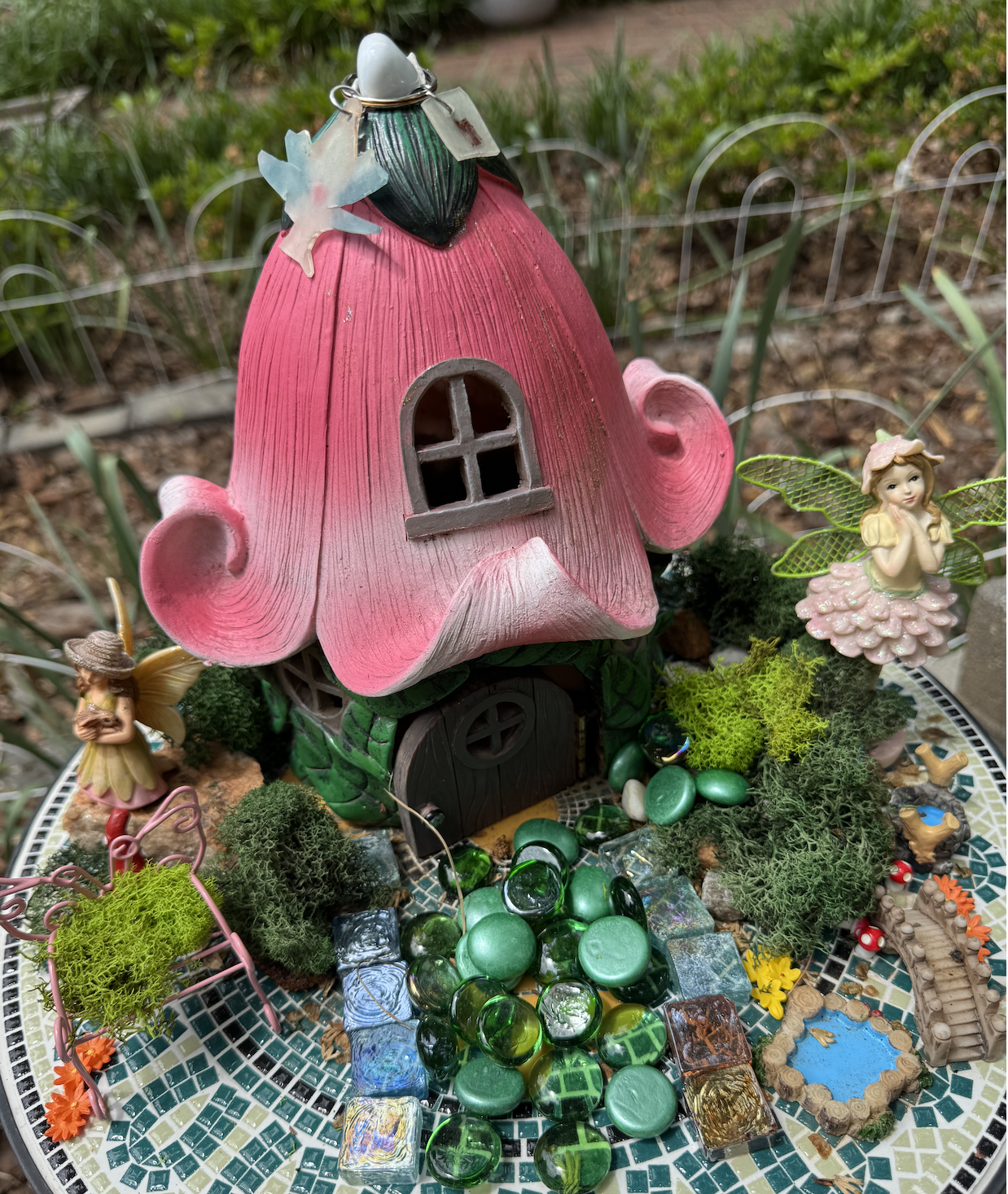
Maybe that’s what “believing in fairies” actually means as adults.
Just leaving enough room for wonder, possibility, and the belief that life can still surprise you sometimes.